
Regular HVAC service helps keep heating and cooling equipment working before small issues turn into expensive failures. Many breakdowns begin quietly, with weak airflow, dirty parts, loose electrical connections, or worn components that still run but place stress on the system. When these issues are ignored, the unit may work harder, use more energy, and fail during heavy demand. Routine care gives homeowners a chance to catch problems early, improve comfort, and protect the equipment from avoidable strain. It also helps the home stay prepared for seasonal temperature changes without sudden repair surprises.
What Routine Service Protects
- Catching Small Wear Before Failure
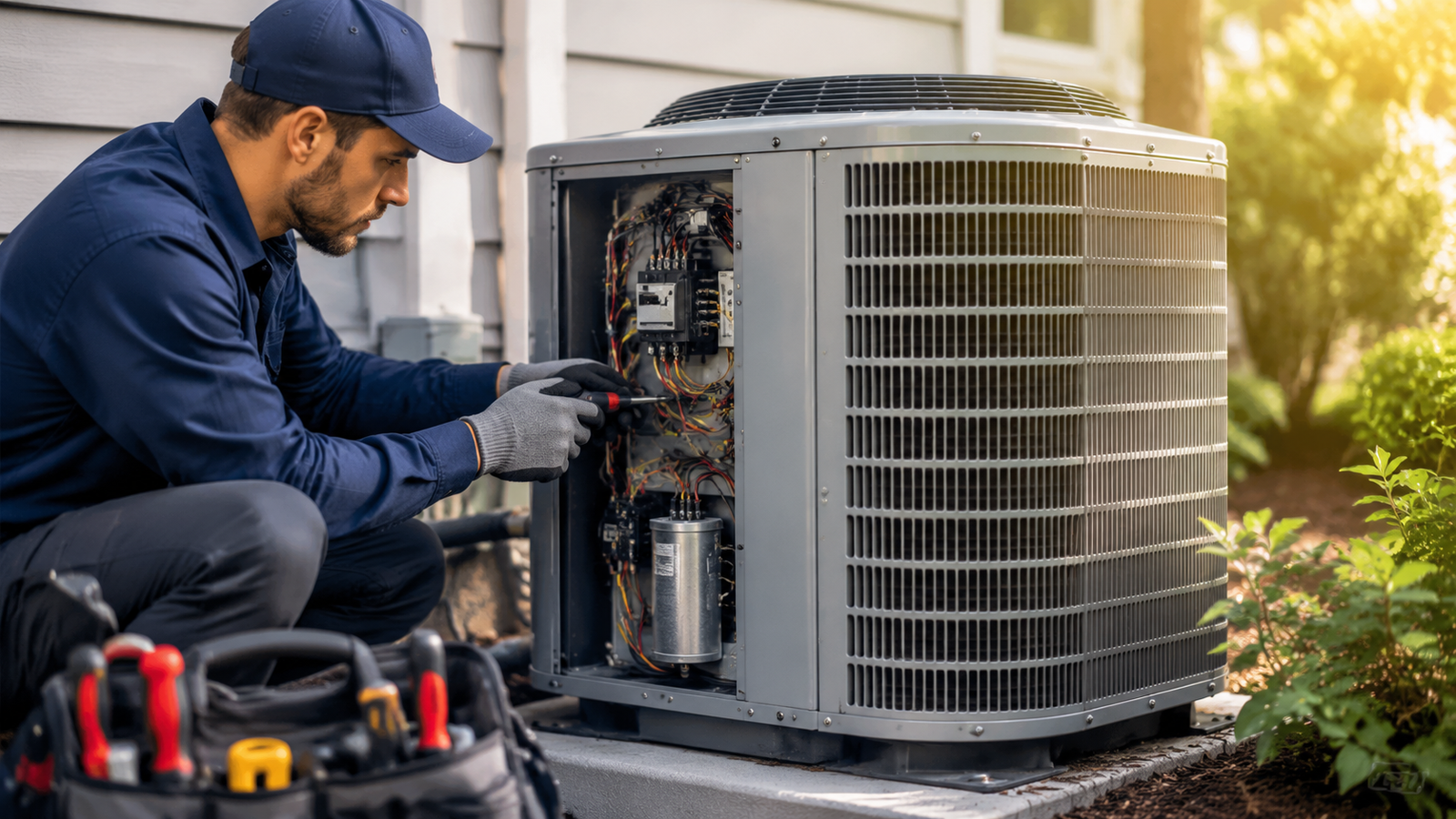
One reason regular HVAC service helps prevent costly breakdowns is that many parts wear down slowly before they stop working. Motors, belts, bearings, capacitors, contactors, drain lines, blower parts, and electrical connections can all show warning signs during a routine visit. A technician can notice loose wiring, unusual sounds, weak starts, overheating parts, or poor airflow before the system fails. This matters because a small repair is often easier to handle than a major shutdown during extreme weather. A homeowner searching for I Care Air Care near Wesley Chapel may already understand that local heat and humidity can put cooling equipment under strain during long operating seasons. Regular service gives the system a better chance to keep running under that pressure. Instead of waiting for a part to fail, routine checks help identify stress early, reduce surprise repairs, and keep the equipment from damaging nearby components when one part begins to struggle.
- Keeping Airflow Clear and Consistent
Airflow has a major effect on HVAC reliability. When air cannot move properly through the system, the equipment must work harder to heat or cool the home. A clogged filter, dirty coil, blocked return, weak blower, or restricted duct can create pressure problems that affect performance and comfort. During regular service, the technician can check these areas and correct restrictions before they lead to bigger concerns. Poor airflow may cause frozen coils, overheating, longer run times, uneven room temperatures, and added strain on motors. Over time, that strain can shorten the life of expensive parts. Clean airflow also helps the system reach the thermostat setting more smoothly, which can reduce constant cycling and energy waste. Homeowners may notice fewer hot and cold spots, quieter operation, and more stable comfort after proper maintenance. By keeping air moving as the system was designed to, regular service lowers the chance of sudden breakdowns caused by preventable stress.
- Improving Efficiency Through Clean Components
Dust, dirt, and residue can quietly reduce HVAC efficiency. Outdoor coils may collect grass clippings, leaves, and debris, while indoor coils can gather dust when filtration or airflow is weak. When coils are dirty, heat transfer is reduced, and the system may run longer to achieve the same level of comfort. That longer operation increases energy use and places more demand on compressors, fans, and motors. Regular HVAC service includes checking and cleaning important components so the unit does not have to fight through buildup. The technician may also review refrigerant performance, drain function, thermostat operation, and electrical readings. These details matter because one weak area can affect the entire system. A clean, properly adjusted unit can operate with less strain, reducing the risk of expensive failures. Better efficiency is not only about saving money on monthly bills. It also helps protect the system from the extra wear caused by working harder than necessary every day.
- Reducing Emergency Repairs During Peak Seasons
HVAC systems often break down when demand is highest because that is when hidden problems are most stressed. A cooling unit may fail during a hot afternoon after weeks of long run times. A heating system may quit during a cold night after months of sitting unused. Regular service helps reduce this risk by preparing the equipment before the season becomes demanding. Seasonal checks can confirm that the system starts correctly, cycles properly, drains safely, and responds to thermostat settings. They can also reveal parts that may not last through heavy use. This allows homeowners to schedule repairs at a more convenient time, rather than dealing with an emergency appointment in uncomfortable weather. Planned maintenance can also prevent stress on the household, especially when children, older family members, pets, or work-from-home routines depend on steady indoor comfort. When service is handled ahead of peak demand, the system is less likely to fail when it is needed most.
Protecting Comfort and Repair Budgets
Regular HVAC service is a practical way to reduce the chance of costly breakdowns. It helps identify worn parts, improve airflow, clean key components, and prepare the system for heavy seasonal use. Small problems are easier to manage when they are found early, and clean equipment usually runs with less strain. While no service visit can prevent every repair, routine care gives homeowners more control over comfort, energy use, and maintenance costs. A well-maintained HVAC system can operate more smoothly, last longer, and create fewer surprises when the weather places greater demand on the home.