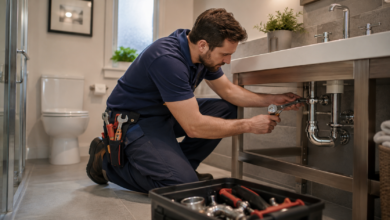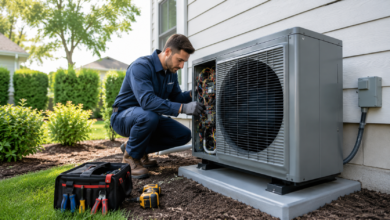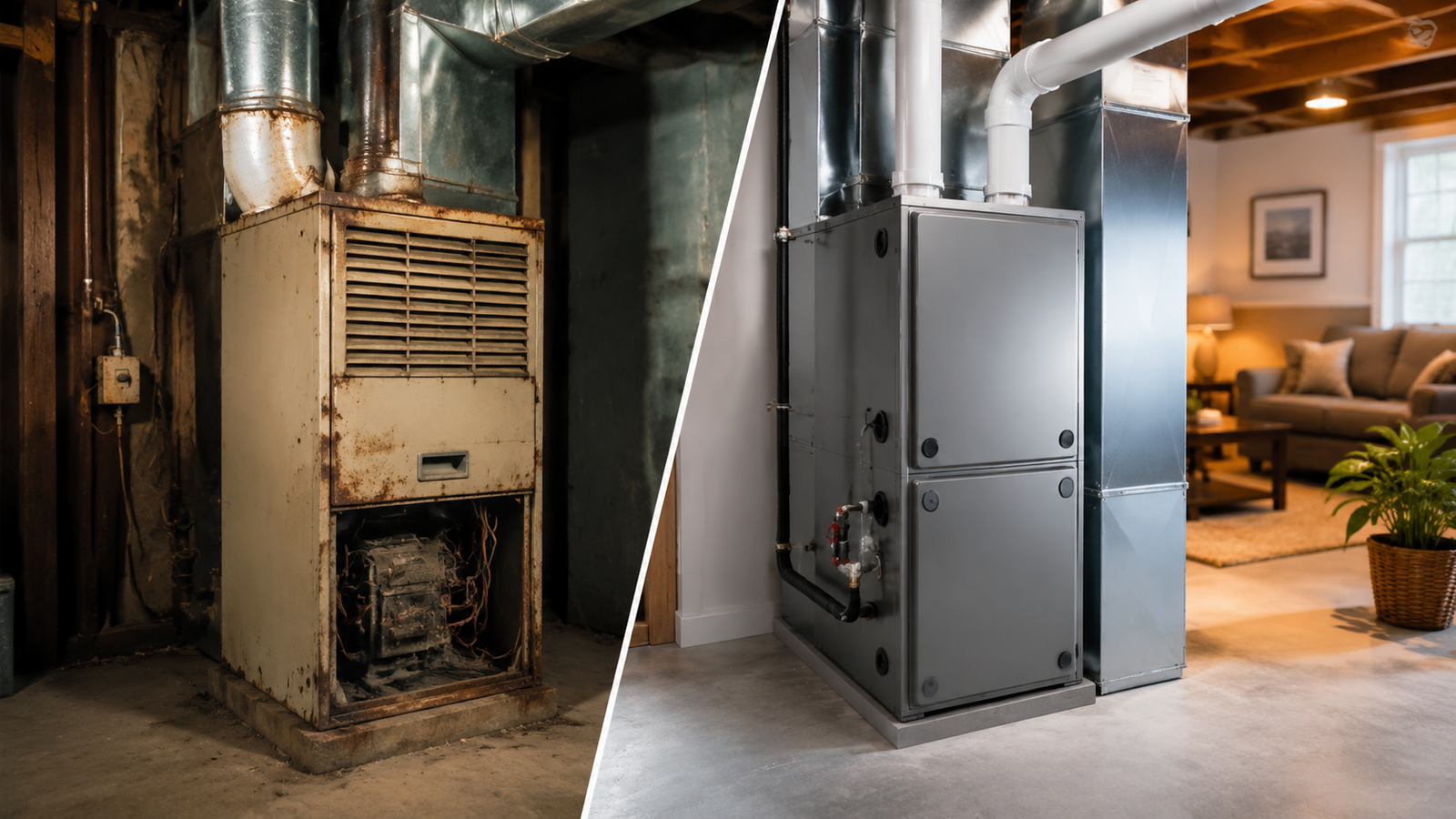

A furnace is an essential part of your home’s heating system, ensuring warmth during cold months and maintaining comfort throughout the winter. Over time, however, even the most well-maintained furnace will begin to show signs of wear and tear. Deciding when to replace your furnace can be challenging, especially since repairs are often an option. However, there are clear indicators that it might be time to invest in a new installation. Recognizing these signs early can save you from frequent repairs and unexpected breakdowns, while also improving your home’s energy efficiency and comfort. A new furnace can be a long-term investment in your home’s heating system.
Understanding When to Replace Your Furnace
- Increased Energy Bills and Poor Heating Efficiency
As furnaces age, they often become less efficient, requiring more energy to heat your home to the desired temperature. If you’ve noticed a sudden increase in your energy bills despite using the same settings, this could be a sign that your furnace is no longer operating at peak efficiency. Older furnaces tend to lose their ability to maintain consistent heat, making them work harder to keep your home warm. If your furnace is over 15 years old and you’re experiencing these issues, it may be time to consider a replacement. Investing in a newer, more energy-efficient furnace can help lower your monthly utility bills. If you’re located in Enterprise, Alabama, you can look into Furnace Installation in Enterprise, Al, to find an efficient new system that will reduce your heating costs over time.
- Frequent Repairs and Rising Maintenance Costs
Furnaces that require frequent repairs can quickly become a financial burden. If you’re constantly calling for service and having to fix components like the ignitor, thermostat, or heat exchanger, it may be more cost-effective to replace the furnace than to continue repairing it. As furnaces get older, the parts become harder to find, and repairs can get more expensive. If your furnace has required multiple repairs in recent years or if repair costs are approaching half the price of a new unit, it might be time to invest in a new furnace. Additionally, if your furnace is no longer under warranty, repairs will add up quickly, and continuing to pour money into an old furnace may not be the most sensible option.
- Uneven Heating and Poor Airflow
A furnace should evenly distribute warm air throughout your home, but if you’re noticing cold spots or rooms that remain chilly, this could indicate a problem with your system. Uneven heating can result from worn-out parts, ductwork issues, or a failing furnace. Poor airflow, which may cause some rooms to feel warmer than others, is often a sign of an aging or malfunctioning furnace. If you’ve checked for issues with the vents or air filters and the problem persists, it might be a sign that the furnace itself is at fault. Upgrading to a new furnace can help restore even heating and efficient airflow throughout your home, improving comfort and eliminating those cold spots.
- Strange Noises and Unusual Smells
Any strange noises coming from your furnace, such as banging, rattling, or whining, should be taken seriously. These sounds are often a sign of mechanical issues such as a worn-out blower motor, loose parts, or a malfunctioning fan. While some minor sounds are normal, loud or consistent noises indicate the need for repair or replacement. Unusual smells can also signal furnace trouble. A burning smell may indicate dust buildup on heating elements or more serious issues such as overheating. If your furnace emits a gas-like or rotten egg odor, it could indicate a gas leak, which is a serious safety hazard. If you’re dealing with persistent, strange noises or smells, it’s time to replace your furnace to ensure both comfort and safety in your home.
- Age of the Furnace and Technological Advancements
The age of your furnace plays a significant role in determining whether it’s time for a replacement. Most furnaces have a lifespan of 15 to 20 years, and as they reach this age, they begin to lose efficiency and become more prone to failure. Even if your furnace is still running, if it’s approaching or surpassing the 20-year mark, replacing it before it breaks down may save you the hassle and cost of emergency repairs. Furthermore, newer furnaces come with advanced technology that can significantly improve energy efficiency. New models feature high-efficiency ratings, smart thermostats, and better air filtration systems that not only lower energy bills but also provide more consistent heating and cleaner indoor air. Upgrading to a newer furnace can make your home more energy-efficient, comfortable, and eco-friendly.
Making the Decision: Repair vs. Replacement
Deciding whether to repair or replace your furnace can be difficult, but there are clear signs that help make this decision easier. If your furnace is less than 10 years old and only requires a minor repair, it may be worth fixing. However, if your furnace is over 15 years old, requires frequent repairs, or is experiencing major issues, replacing it is typically the more cost-effective solution. A new furnace will provide better energy efficiency, improved comfort, and a lower risk of future breakdowns. If you’re unsure whether to repair or replace, consulting a professional HVAC technician can help you make the right decision based on your system’s condition, your budget, and your home’s heating needs.
In conclusion, a furnace is an essential part of your home’s comfort system, and maintaining its performance is crucial for both efficiency and safety. Signs such as rising energy bills, frequent repairs, uneven heating, strange noises, and age-related concerns indicate the need for replacement. Investing in a new furnace not only improves your home’s comfort but also enhances energy efficiency, lowers maintenance costs, and ensures safety. By staying aware of these warning signs and acting early, you can make a smart decision to replace your furnace before it leads to costly repairs or unexpected breakdowns. A well-functioning furnace ensures a warm and safe home for years to come.