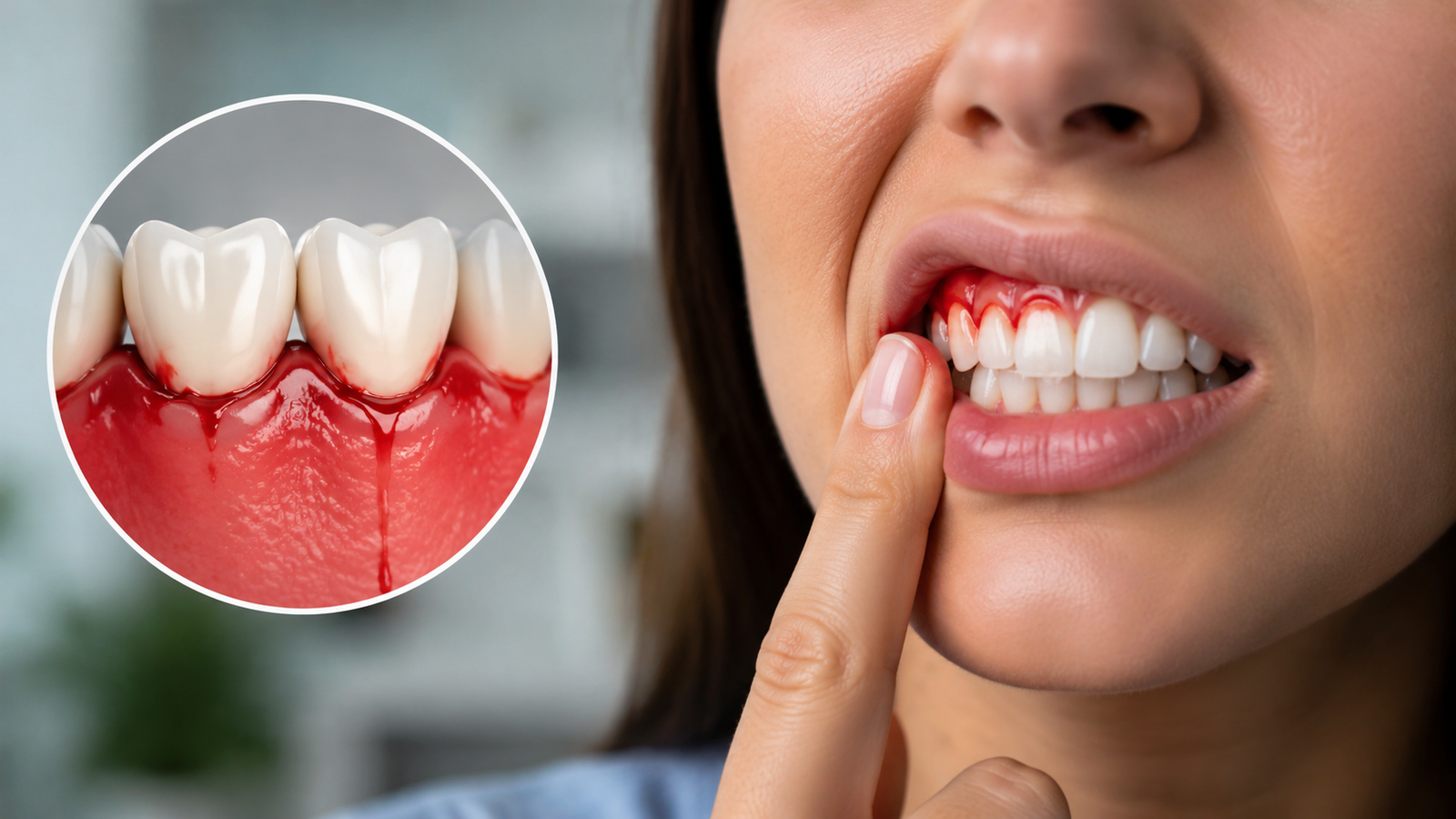

Bleeding gums are a common issue that many people overlook, assuming they are a normal part of oral care or a minor inconvenience. However, bleeding gums can be a warning sign of an underlying dental problem that should never be ignored. Whether it happens while brushing or flossing, seeing blood can be alarming, and it’s important to understand that it may indicate a condition requiring immediate attention. While it may start as something seemingly harmless, untreated bleeding gums can lead to serious oral health problems. Addressing the issue early can prevent further complications, such as gum disease, tooth loss, or even systemic health problems linked to poor oral hygiene. Understanding why bleeding gums should not be ignored can help you take timely action and protect both your oral health and overall well-being.
Causes of Bleeding Gums
- Gum Disease: The Primary Culprit
One of the most common reasons for bleeding gums is gum disease, also known as periodontal disease. This condition begins with gingivitis, an inflammation of the gums caused by plaque buildup. When plaque is not removed through regular brushing and flossing, it hardens into tartar, which can irritate the gums and cause bleeding, especially during brushing or flossing. If left untreated, gingivitis can progress into a more serious form of gum disease known as periodontitis. Periodontitis not only causes bleeding but can also lead to gum recession, tooth mobility, and even tooth loss. Gum disease is often painless in its early stages, so many individuals may not even be aware that they have it. It’s important to seek professional care as soon as you notice bleeding gums to prevent the condition from advancing. If you’re concerned, consider visiting our dental clinic, where we can evaluate your condition and guide you toward proper treatment.
- Poor Oral Hygiene Practices
Bleeding gums can also result from poor oral hygiene. When plaque and food particles are not removed from the te eth regularly, they can irritate the gums, leading to swelling, redness, and bleeding. Insufficient brushing and flossing allow harmful bacteria to thrive in the mouth, which further exacerbates gum irritation. Using a hard-bristled toothbrush or brushing too aggressively can also damage the gums, causing them to bleed. Another common mistake is neglecting to floss, leaving debris between the teeth that cannot be removed with a toothbrush alone. To prevent bleeding gums, it’s important to maintain a consistent oral hygiene routine, brushing at least twice a day and flossing daily to remove plaque and debris. If you have noticed that your gums bleed regularly, it might be time to visit a dental professional for a cleaning and evaluation of your oral care habits.
- Medical Conditions and Medications
Sometimes, bleeding gums are not caused by oral hygiene issues but by underlying medical conditions or medications. Certain health conditions, such as diabetes, blood disorders, and hormonal changes during pregnancy or menopause, can make gums more susceptible to bleeding. Conditions like leukemia or vitamin deficiencies, particularly a lack of vitamin C, can also affect gum health. Additionally, some medications, such as blood thinners or anticoagulants, can cause your gums to bleed more easily. If you have a medical condition or are taking medications that could contribute to bleeding gums, it’s important to inform your dentist. They may recommend adjustments to your oral care routine or work with your healthcare provider to address the underlying cause. Identifying and managing any health conditions that contribute to gum bleeding is essential to preventing further oral health complications.
- Long-Term Consequences on Oral and Overall Health
Ignoring bleeding gums can lead to serious long-term consequences that affect both your oral health and overall well-being. If gum disease is left untreated, it can lead to tooth loss, as the bacteria can damage the bones that support the teeth. The chronic inflammation associated with gum disease has also been linked to various systemic health conditions, including heart disease, diabetes, and respiratory infections. The bacteria in the mouth can enter the bloodstream, potentially leading to serious complications elsewhere in the body. Studies have shown that individuals with gum disease are at a higher risk for developing cardiovascular problems, stroke, and even certain types of cancer. By taking action early and seeking professional treatment for bleeding gums, you can reduce your risk of these long-term health problems and maintain both a healthy mouth and a healthy body.
Prevention and Treatment of Bleeding Gums
The key to preventing and treating bleeding gums is early intervention. The sooner you notice any signs of gum irritation, such as bleeding or swelling, the easier it will be to address the issue before it progresses. Regular dental checkups and cleanings are essential for maintaining gum health, as your dentist can detect early signs of gum disease and offer treatments such as scaling and root planing. If you experience persistent bleeding, it’s important to consult with a dentist to determine the underlying cause and receive appropriate treatment. In addition to professional care, maintaining proper oral hygiene at home, such as using the right toothbrush and flossing correctly, is essential in preventing further gum problems. A healthy diet rich in vitamins, especially vitamin C, can also promote strong gums and reduce the risk of bleeding. Addressing bleeding gums as soon as possible can save you from more serious complications and help you maintain your overall oral health.
In conclusion, bleeding gums should never be ignored, as they are often a sign of an underlying problem that can affect your long-term oral and overall health. Whether caused by gum disease, poor oral hygiene, medical conditions, or medications, early intervention is crucial for preventing further damage. Seeking professional care when you notice bleeding gums can lead to more effective treatments and better long-term outcomes. By maintaining proper oral hygiene and visiting your dentist regularly, you can protect your gums and teeth and reduce the risk of complications. Always remember that your gums are an important indicator of your health, and addressing issues promptly can ensure a healthier future.