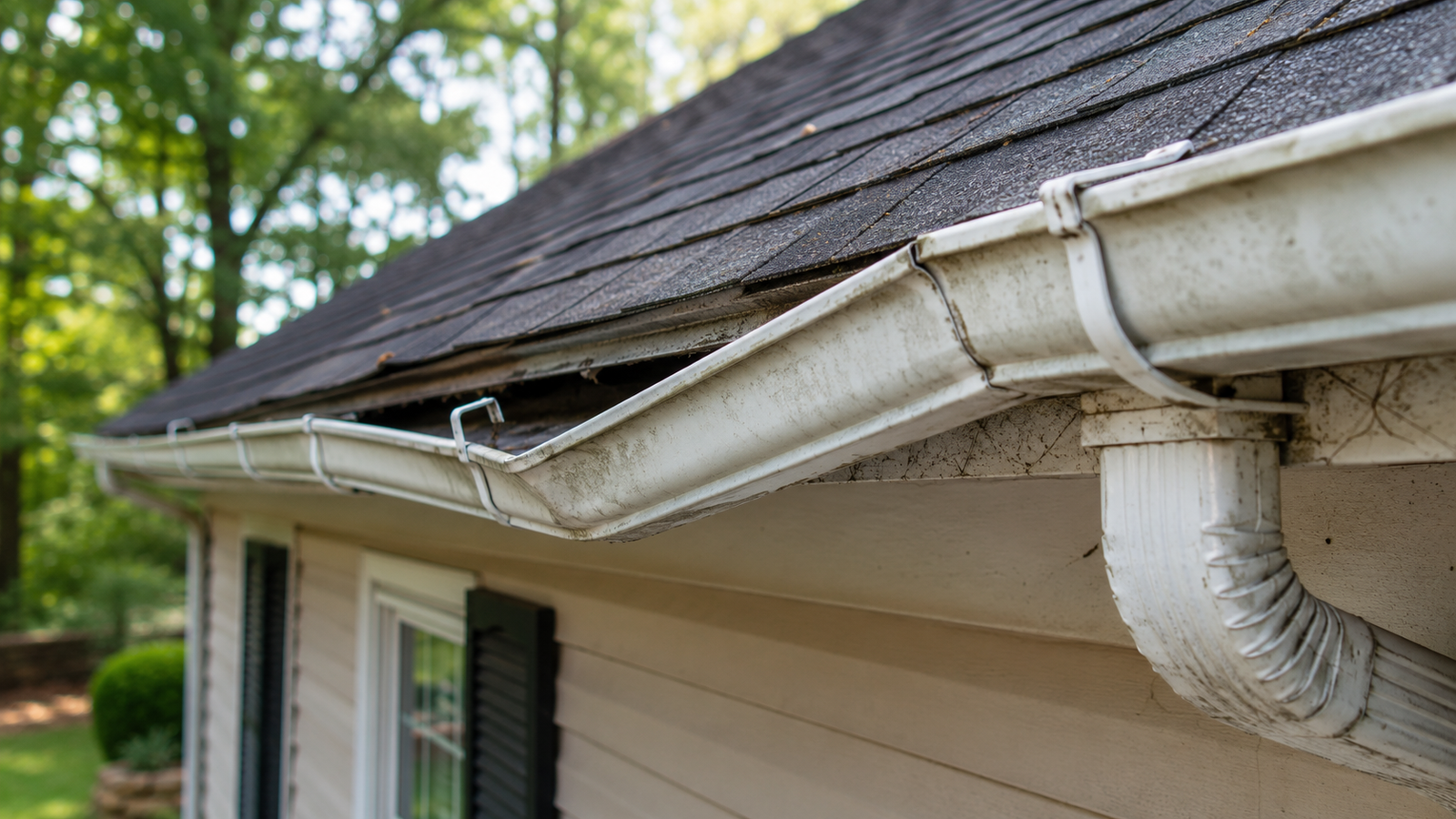

Gutters play a crucial role in protecting your home from water damage by channeling rainwater away from the foundation, siding, and landscaping. However, over time, many homeowners notice their gutters beginning to sag, which can lead to a host of problems including leaks, overflow, and even structural damage. Understanding the reasons behind sagging gutters is essential for maintaining the integrity of your home and avoiding costly repairs. By identifying the underlying causes, you can take proactive steps to ensure your gutter system remains functional and effective throughout the year.
Common reasons gutters start to sag
Accumulation of Debris and Water Weight
One of the most frequent causes of sagging gutters is the accumulation of debris such as leaves, twigs, and dirt. When gutters are not cleaned regularly, this debris can build up and prevent water from flowing freely through the system. As water pools in the blocked sections, the added weight puts significant strain on the gutter hangers and fasteners. Over time, this excess weight can cause the gutters to pull away from the fascia board, resulting in noticeable sagging. In regions with heavy rainfall or lots of trees, this problem can become even more pronounced. Regular maintenance and cleaning are essential to prevent debris buildup and ensure that water can move efficiently through the gutters, reducing the risk of sagging and the potential for water damage to your home’s exterior and foundation.
Improper Installation and Inadequate Support
Another major factor contributing to sagging gutters is improper installation or insufficient support. Gutters must be installed with the correct pitch and securely fastened to the fascia using appropriate hangers spaced at regular intervals. If the hangers are spaced too far apart or not anchored properly, the gutters may not be able to support the weight of water and debris, especially during storms. Additionally, using the wrong type of fasteners or failing to account for the specific needs of your home’s roofline can lead to premature sagging. Homeowners in Indianapolis seeking a reliable solution should consider a professional gutter install indianapolis service to ensure their gutters are mounted correctly and supported adequately for long-term performance. Proper installation not only prevents sagging but also extends the lifespan of the entire gutter system.
Age and Material Deterioration
Over time, the materials used in gutter systems can deteriorate due to exposure to the elements. Metal gutters, such as those made from aluminum or steel, may corrode or rust, weakening their structural integrity. Vinyl gutters can become brittle and crack after years of exposure to sunlight and fluctuating temperatures. As the materials degrade, they lose their ability to support their own weight, let alone the added weight of water and debris. This gradual weakening can cause sections of the gutter to sag or even break away from the house entirely. Regular inspections can help identify early signs of wear and tear, allowing homeowners to address issues before they lead to more significant problems. Replacing aging gutters with newer, more durable materials can help prevent sagging and maintain effective water management around your home.
The Impact of Weather Conditions
Weather plays a significant role in the health of your gutter system. In areas that experience heavy rainfall, snow, or ice, gutters are subjected to additional stress that can accelerate sagging. During winter, ice dams can form in gutters, adding substantial weight and causing the fasteners to loosen or the gutters to bend. Similarly, strong winds can dislodge gutters or cause them to pull away from the fascia. Seasonal temperature changes can also cause materials to expand and contract, further weakening the connections and supports. Homeowners should be mindful of the local climate and take steps to reinforce their gutters before severe weather hits. Installing gutter guards or heating cables can help mitigate some of these risks, but regular inspections and timely repairs remain the most effective way to prevent weather-related sagging.
Quick Fixes for Minor Sagging
For minor sagging issues, homeowners can often make simple adjustments to restore the gutter’s alignment. Tightening loose fasteners, replacing damaged hangers, or adding additional supports can provide a temporary solution. However, it’s important to address the root cause to prevent the problem from recurring.
The Importance of Regular Maintenance
Routine maintenance is vital for keeping gutters in good condition and preventing sagging. This includes cleaning out debris at least twice a year, especially after the fall and spring seasons when leaves and other materials are most likely to accumulate. Inspecting the gutters for signs of wear, such as rust, cracks, or loose fasteners, allows homeowners to catch problems early and make necessary repairs before they escalate. Additionally, checking the alignment and pitch of the gutters ensures that water flows properly toward the downspouts and away from the foundation. Investing time in regular maintenance not only prevents sagging but also helps avoid more serious issues like water damage, mold growth, and erosion around the home. By staying proactive, homeowners can extend the life of their gutter system and protect their property from costly repairs.
Conclusion
Sagging gutters are a common issue that can lead to significant damage if left unaddressed. The primary causes include debris buildup, improper installation, material deterioration, and harsh weather conditions. By understanding these factors, homeowners can take steps to prevent sagging through regular cleaning, timely repairs, and proper installation. Addressing minor issues promptly and investing in quality materials can help maintain the effectiveness of your gutter system for years to come. Regular maintenance is the key to ensuring your gutters continue to protect your home from water damage and preserve its structural integrity. Taking these preventative measures will save time, money, and stress in the long run, keeping your home safe and dry through every season.