How Are Mobile Water Treatment Systems Revolutionizing Emergency Water Supply Solutions?

In emergencies, access to clean and safe water is a top priority. Whether it’s due to natural disasters, industrial accidents, or infrastructure failures, having a reliable and immediate water supply is essential for survival. Mobile water treatment systems are revolutionizing the way water is provided during these critical times. These systems are designed to be easily transported and rapidly deployed, providing quick access to clean water in areas where traditional water infrastructure has been damaged or is insufficient. By adapting to various emergencies, mobile units are helping to meet the demand for potable water quickly and efficiently, making them invaluable tools in disaster response and recovery.
How Mobile Systems Address Immediate Needs
- Quick Response and Versatility
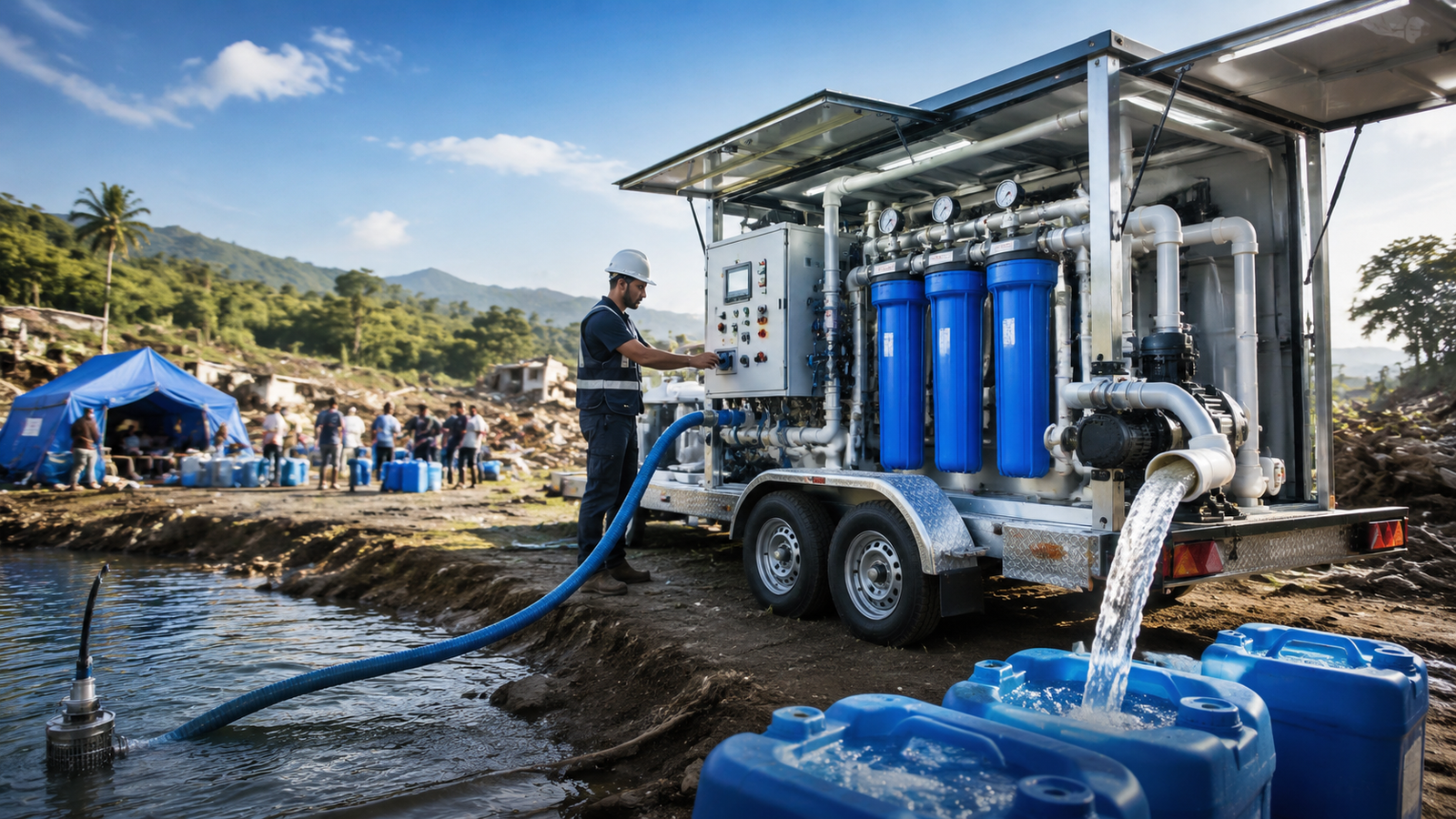
The primary advantage of mobile water treatment systems is their ability to respond to urgent situations. In many disaster scenarios, it can take days, if not weeks, to restore municipal water services. Mobile systems bridge that gap by providing immediate access to treated water. They are designed to be versatile, handling a wide range of water sources, including rivers, lakes, and wells. This flexibility allows them to adapt to varying conditions, ensuring that clean water can be produced no matter the source. These systems are also equipped to handle large volumes of water, enabling them to supply entire communities in need. With mobile water treatment units by WesTech Engineering, water can be treated and delivered quickly, helping prevent the spread of waterborne diseases and ensuring affected populations can stay hydrated and healthy.
- Portable and Scalable Solutions for Any Crisis
One of the defining features of mobile water treatment systems is their portability. These units are designed for easy transport, allowing them to be deployed in any location that needs water treatment. This mobility makes them ideal for a range of emergencies, from areas hit by hurricanes and floods to remote military operations and large-scale industrial accidents. Additionally, mobile systems are scalable, meaning they can be expanded or adjusted to meet the specific needs of the situation. For example, a small community affected by a localized event may only require a compact unit, while a large-scale disaster may call for multiple units working together. This scalability makes mobile water treatment systems adaptable and capable of meeting the demands of any emergency, regardless of size or scope.
- Enhancing Water Safety in Crisis Environments
In emergencies, the risk of water contamination increases significantly. Floods can lead to the mixing of drinking water with sewage, chemicals, and other pollutants, creating a serious health hazard. Mobile water treatment systems play a crucial role in mitigating this risk. These systems are equipped with advanced filtration and purification technologies that remove contaminants, bacteria, viruses, and harmful chemicals from the water. By providing clean, safe drinking water, these mobile systems help prevent the spread of disease and protect public health during emergencies. Moreover, many of these systems are designed to handle both large-scale and localized contamination, making them effective across a variety of disaster scenarios.
- Supporting Long-Term Recovery and Sustainability
While mobile water treatment systems are invaluable for providing immediate relief, they also play a role in long-term recovery efforts. Once a disaster occurs, it can take time to restore the permanent water supply infrastructure. Mobile systems can continue to provide water until the regular infrastructure is repaired or replaced. Additionally, in situations where communities are rebuilding, these mobile units can offer a sustainable source of clean water during the recovery period. They can supplement the local water supply, ensuring that communities can continue to function while permanent solutions are implemented. Furthermore, these systems are increasingly used in regions with unreliable water sources, offering long-term solutions for areas that need consistent, clean water.
Making Disaster Response More Efficient
Mobile water treatment systems are transforming disaster response by making water treatment faster, more efficient, and more reliable. In the past, providing clean water during an emergency often involved slow, cumbersome processes that could take days to put in place. With the advent of mobile water treatment units, however, water can now be treated and distributed much more quickly. These systems streamline the process, ensuring that affected communities have access to water in a fraction of the time it would take to restore normal water services. Furthermore, these systems are often more cost-effective than building or repairing large-scale infrastructure, as they can be deployed on-site without extensive construction or permits. By making disaster response more efficient, mobile water treatment systems are playing an important role in improving global emergency preparedness and response efforts.
In conclusion, mobile water treatment systems are revolutionizing emergency water supply solutions by offering quick, reliable, and flexible access to clean water in times of need. Their portability, scalability, and ability to address immediate water safety concerns make them an invaluable asset during natural disasters, industrial accidents, and other crises. These systems not only provide vital short-term relief but also support long-term recovery and sustainability efforts by continuing to deliver clean water in areas where infrastructure has been damaged. As demand for emergency water solutions grows, mobile water treatment systems will continue to play a key role in enhancing disaster response and improving public health during crises.